How to protect yourself from seasonal allergies: doctor's advice.
In the spring and summer, many people have seasonal allergic diseases that worsen. Pollen from trees, grasses, and weeds can cause nasal congestion, sneezing, itching, watery eyes, coughing, and difficulty breathing. Compliance with preventive measures and timely access to a doctor can help ease symptoms and prevent the development of complications.
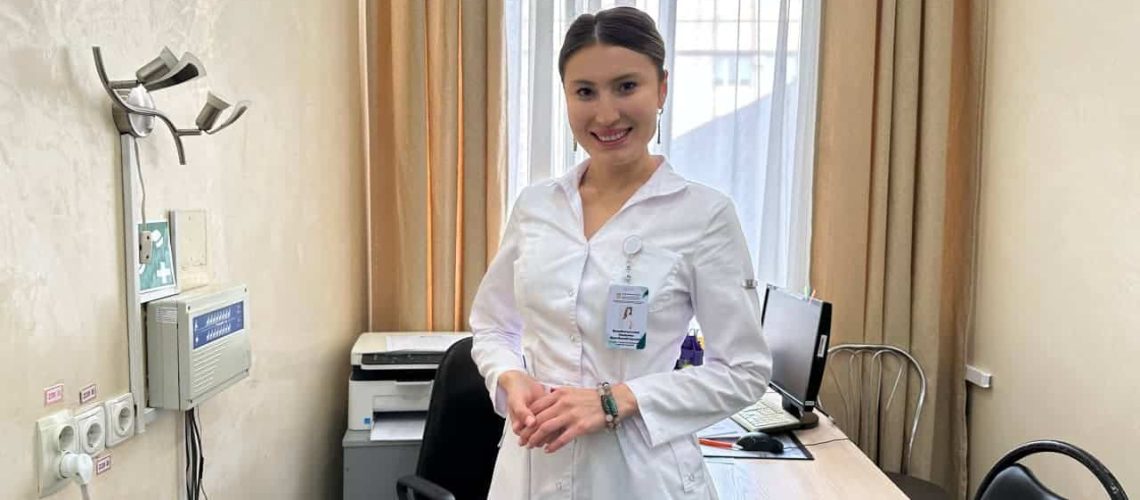
According to Akerke Bekbolatova, an allergist at the National Hospital of the Medical Center, it is important to be able to distinguish seasonal allergies from colds. With allergies, as a rule, the body temperature does not rise, and the symptoms increase after going outside.
"If symptoms reappear, you should not self-medicate. It is necessary to consult a doctor, undergo an examination and determine the allergen. This will make it possible to prescribe effective treatment and prevent the progression of the disease, " Akerke Bekbolatova said.
One of the main prevention measures is to limit contact with allergens. During the flowering period of plants, it is recommended to monitor the dusting calendar and, if possible, be outside less in dry and windy weather. After rain, the concentration of pollen in the air is significantly reduced, so this is the most favorable time for walking.
After returning home, you need to change your clothes, wash your face and hands, take a shower and rinse your nose with saline solution. Outdoor clothing is recommended to be stored separately, and washed laundry should not be dried outdoors, as pollen can settle on it.
It is recommended to carry out regular wet cleaning in the room. During periods of high pollen concentrations, especially in the morning and on windy days, it is best to keep the windows closed. Using air purifiers with filters helps reduce the amount of allergens in the air. When traveling by car, it is recommended to close the windows and turn on the internal air circulation mode. On the street, additional protection can be provided by a medical mask, headdress and sunglasses.
The National Hospital provides diagnostics of allergic diseases. The doctor examines the patient's complaints and allergic history. For medical reasons, skin allergy tests are performed, the level of total and specific immunoglobulin E in the blood is determined. In addition, spirometry is used to assess the function of external respiration.
After clarifying the diagnosis, an individual treatment plan is drawn up. This may include limiting contact with the allergen, taking antihistamines, using nasal sprays and inhalation therapy. All medications should only be used as directed by your doctor.
"Prevention, timely diagnosis and properly selected treatment allow us to effectively control the symptoms of the disease, reduce the risk of complications and maintain a high quality of life," Akerke Bekbolatova stressed.
If there is swelling of the face or throat, shortness of breath, suffocation, sudden pronounced weakness or loss of consciousness, you should immediately call an ambulance.